
In today’s outrageously overcrowded landscape, where every FMCG brand has access to the same influencers, platforms, and tools, how does your brand stand out? How do you transform your FMCG brand into a Fast Moving Consumer Gainer?
It sure isn’t a walk in the park. Whether it’s food & beverages, beauty & personal care, health & wellness, every category throws up a new brand faster than you can say ‘Introducing’. Every day, social media feeds are inundated with sponsored ads of brands you’ve never heard of.
And then there are those consuming this content who are now all too educated about the differences between natural, organic, ayurvedic, and herbal. About how gluten and dairy can kill you the moment you pick a pack off a shelf. About microplastics turning marine life mutants. About sinister sulfates and perilous parabens. It’s a jungle out there.
So, how does a brand really stand apart in a sea teeming with sharks?
With time-tested content marketing tools like:
1. Storytelling Through Packaging
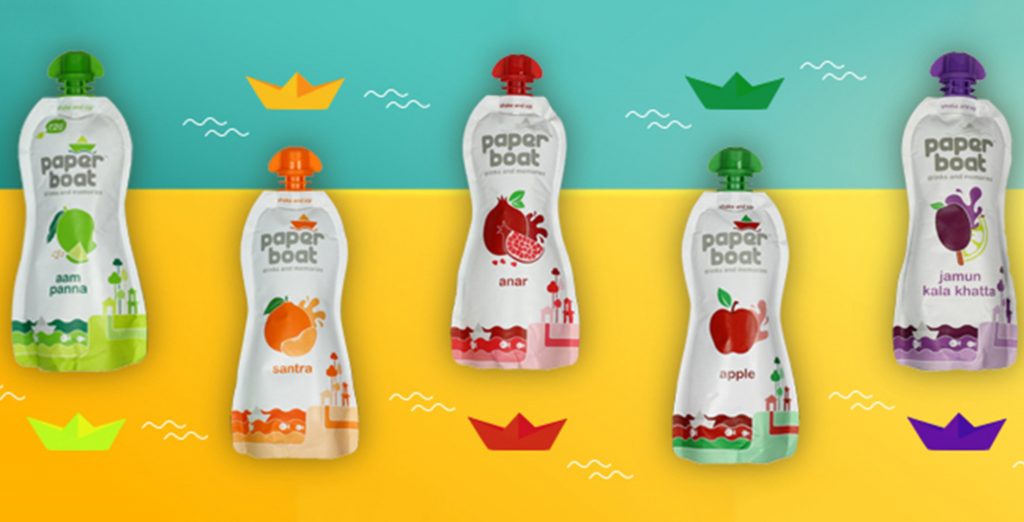
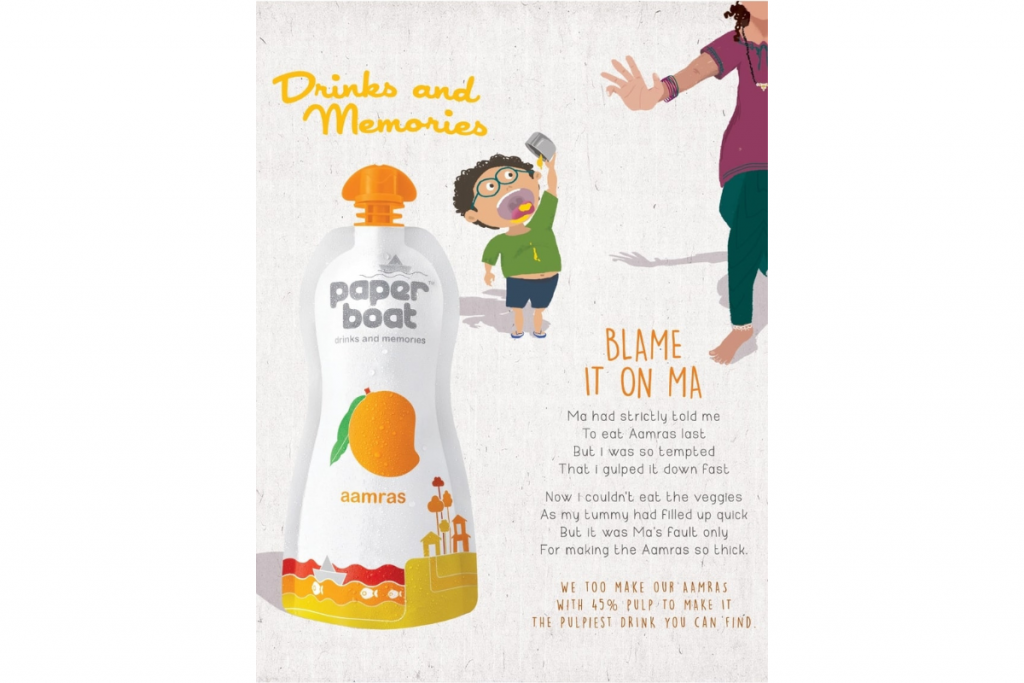
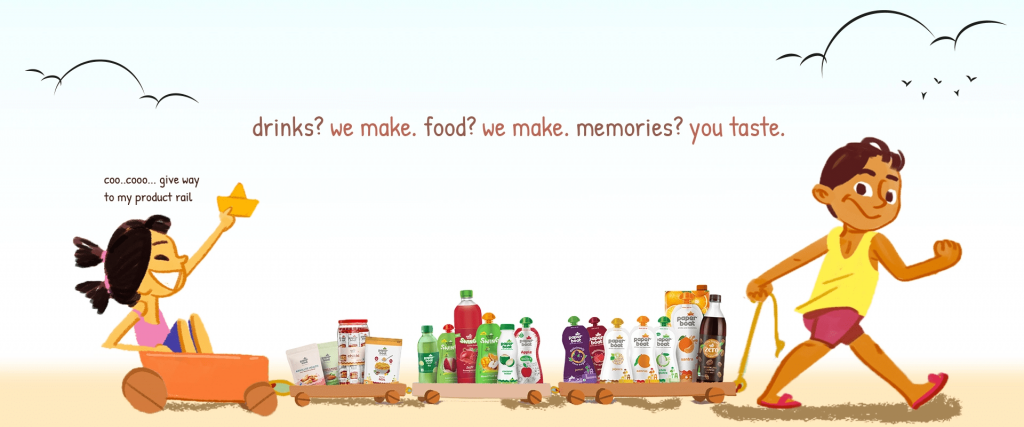
One of the first brands that comes to mind that packages storytelling very well is Paper Boat. Brands like Paper Boat weave nostalgia into their packaging design. Every juice pouch, shaped like the paper boats, reminiscent of childhood, carries illustrations and blurbs that evoke memories of Indian summers and homemade drinks. The packaging does a good job of making us nostalgic and think about simpler times. Even before a single drop is tasted, it incites an emotional connection.
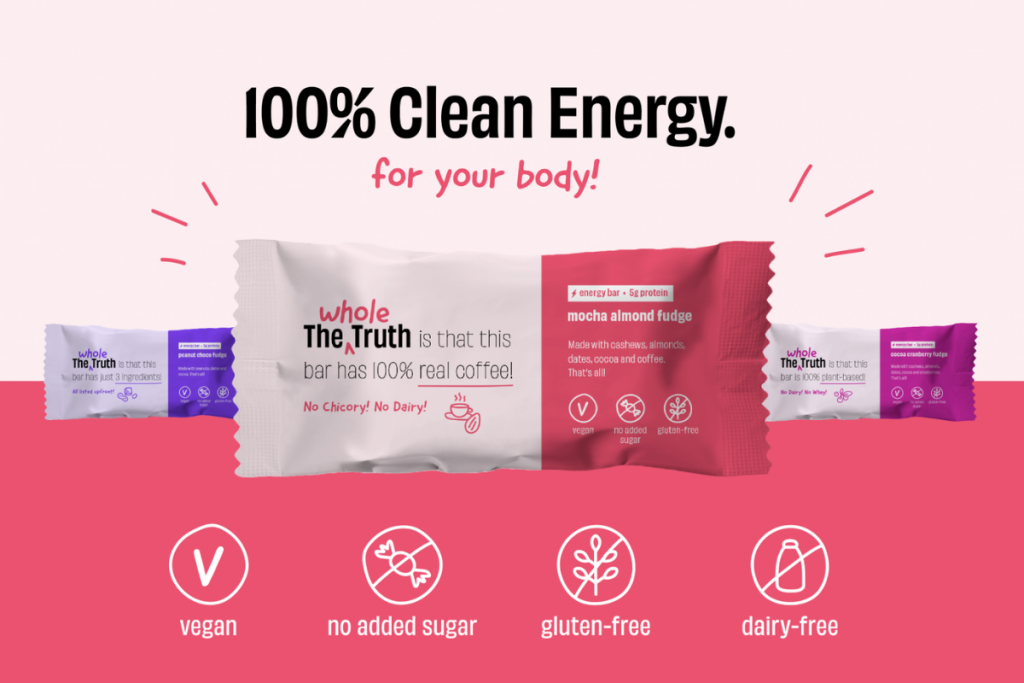
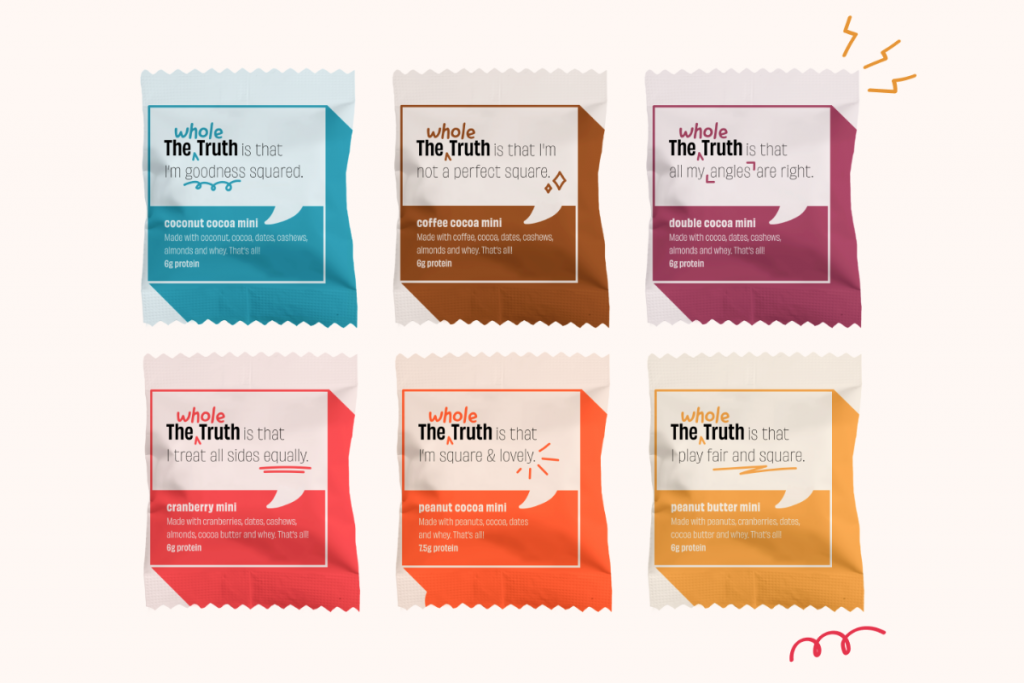
The Whole Truth (India), a new-age healthy snack brand, prints its “No B.S.” philosophy right on the front of the pack – listing every ingredient plainly and nothing else. In an age where people are all the more cautious of what they eat, The Whole Truth has done a splendid job using radical transparency as their narrative.
2. Brand Consistency Across Platforms
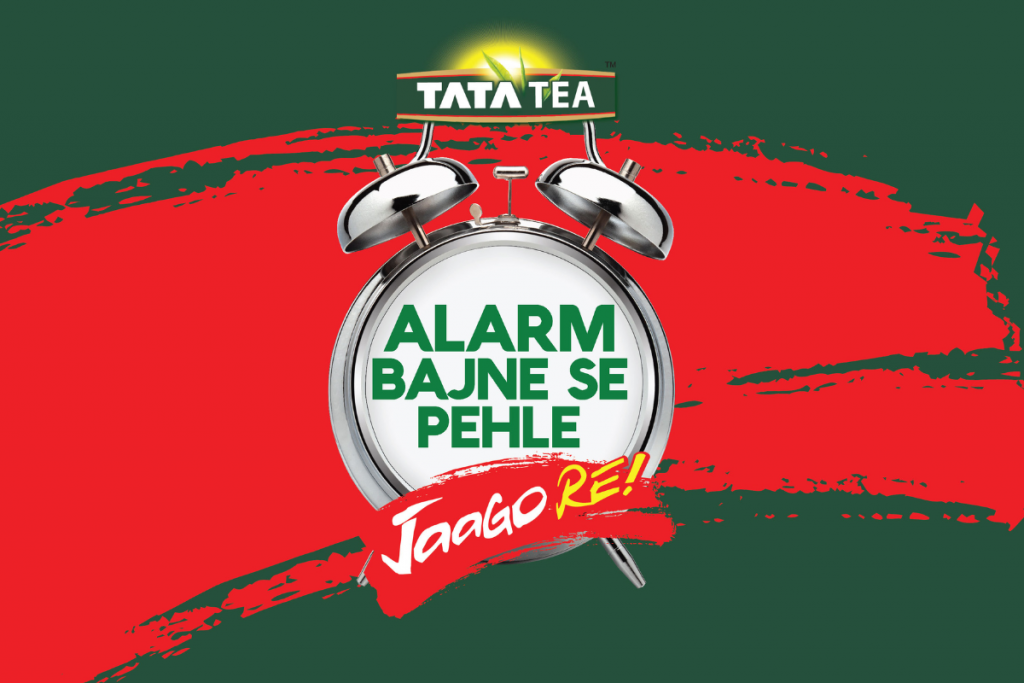
Consistency doesn’t mean repeating the same message everywhere. It means staying true to an essence, even as formats and topics change and evolve. Tata Tea has mastered this and continually shown it through its long-running ‘Jaago Re’ campaigns.
For over a decade, whether addressing voting, corruption, women’s safety, or climate change, every ad, social media post, and on-ground activation has carried the same underlying call: wake up! This unified message has transformed Tata Tea from just a beverage brand into a socially conscious voice.
3. Unlikely (or likely) Collaborations
“Collab culture” is in now, and it’s not new to FMCG. Strategic brand collaborations, where it’s with other brands, influencers, or celebrities, allow both parties to generate buzz. The key is to find partnerships that are fresh and “viral-worthy”, so the content practically markets itself through likes, shares, and subscriptions.
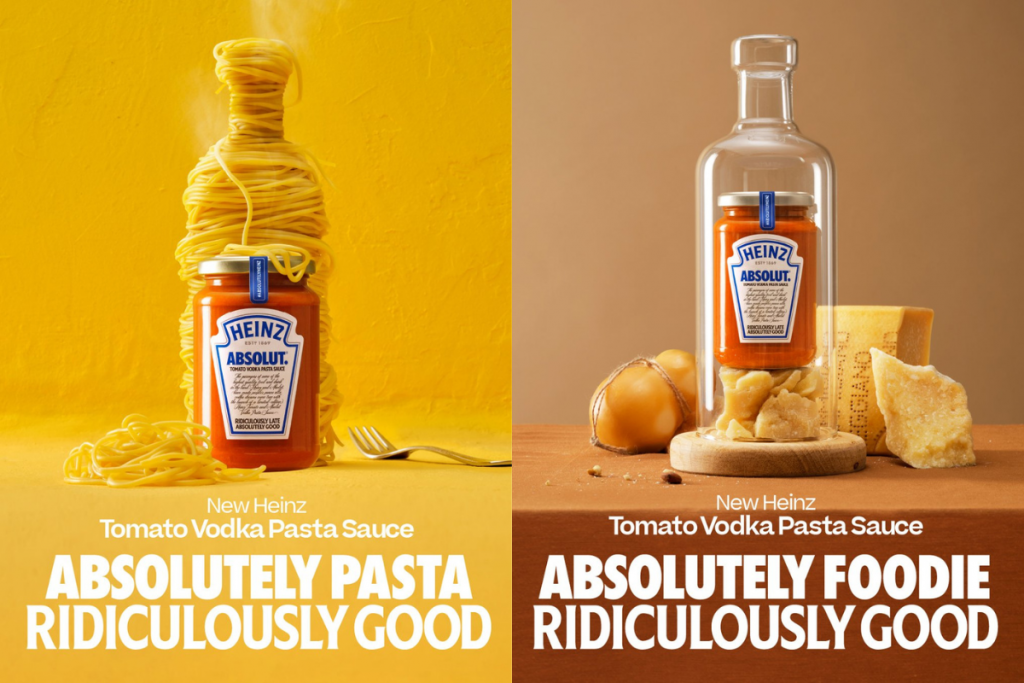
Remember when Gigi Hadid’s spicy vodka pasta made the headlines and took over the internet during the pandemic? Well, the trend caught up and led to the collaboration between two big brands – Heinz and Absolut Vodka. In early 2022, Heinz and Absolut partnered to launch a limited edition Heinz x Absolut Vodka Pasta Sauce in the UK. This campaign showed how two brands, which are not on the same kitchen shelves, can leverage each other’s strengths – Heinz’s tomato expertise and Absolut’s spirits reputation – to create content that gets people talking.
By tapping into a viral recipe trend and involving an unlikely partner, Heinz sparked widespread curiosity (“Wait, a vodka tomato sauce?”) and earned immense press coverage, leading to a 52% increase in the sales of the sauce after just two months of launching it. Truly an iconic collaboration, one for the marketing books.
4. Sustainable & Ethical Messaging
Modern consumers (especially Gen-Z and millennials) care deeply about sustainability, ethics, and social impact. So, naturally, brands have to keep up with their target consumers. One such brand that immediately catches the eye is Oatly.
Oatly is a Swedish oat milk brand, established in the 1990s. In 2014, after the new CEO, Tony Petersson, took over, there was a major revamp of the brand. Oatly built its entire identity around being climate-conscious and transparent. It doesn’t just sell oat milk, it sells a mission.
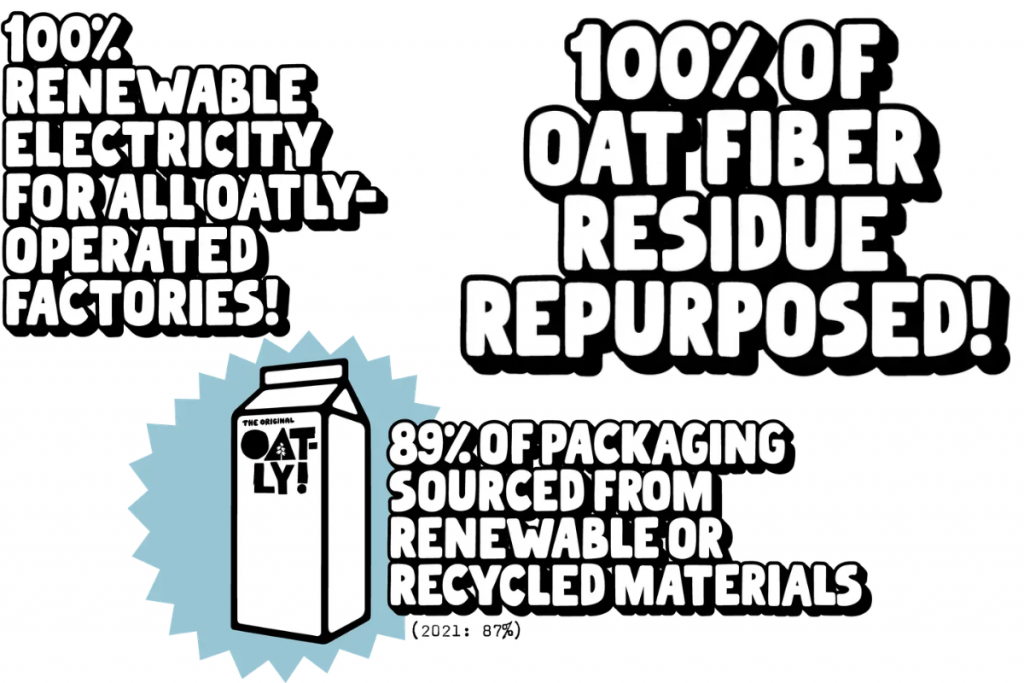
From bold, irreverent packaging that calls out the dairy industry to detailed sustainability reports that publicly track its emissions and climate goals, Oatly uses sustainability as a core storytelling tool. They turned their cartons into mini manifestos, each side communicating a punchy message like “It’s like milk but made for humans” and “Wow no cow”, juxtaposing the wastefulness of dairy and reinforcing its plant-based ethos.
Furthermore, its regenerative farming initiatives, carbon footprint labels on packaging, and commitment to reducing emissions across its supply chain aren’t hidden in the fine print; they’re in the front and centre in every piece of content. The result? A brand that doesn’t just talk the talk but walks it in full view, earning the trust (and attention) of a generation that values action over promises.
And emerging trends such as:
1. Artificial Intelligence
In a world where attention spans are short, content fatigue is real, and every brand is chasing the same set of human influencers, AI is stepping in with a bold new twist. Enter AI influencers, i.e., computer-generated personalities that are smart, stylish, always on-brand, and never get tired (or caught in scandals). These digital avatars are fast becoming powerful content tools for brands looking to cut through the noise. With the ability to engage audiences 24/7, AI influencers are redefining storytelling, one curated post at a time.
Virtual influencers like PUMA’s AI ambassador Laila Khadraa are rewriting the content marketing playbook. Laila is a 21-year-old Moroccan virtual persona whose tagline, “Powered by AI, Inspired by Humanity,” reflects how cutting-edge tech can fuse with authentic storytelling. Puma leverages her carefully crafted character to run digital campaigns and interactive social content, letting Laila’s narrative evolve with audience preferences. Unlike human celebrities, an AI ambassador can stay consistently on-brand and scandal-free while still engaging audiences. In just one month from launch, Laila gained over 12,700 Instagram followers – clear proof that consumers are curious about AI-created personalities. Laila isn’t alone. Globally, AI influencers are catching on with brands as a novel storytelling medium.
2. User Generated Content
UGC not only provides brands with tons of free content, but it also serves as powerful social proof, i.e., people trust other people more than ads. The new approach is to actively integrate UGC into brand storytelling, essentially co-creating the brand with the community.
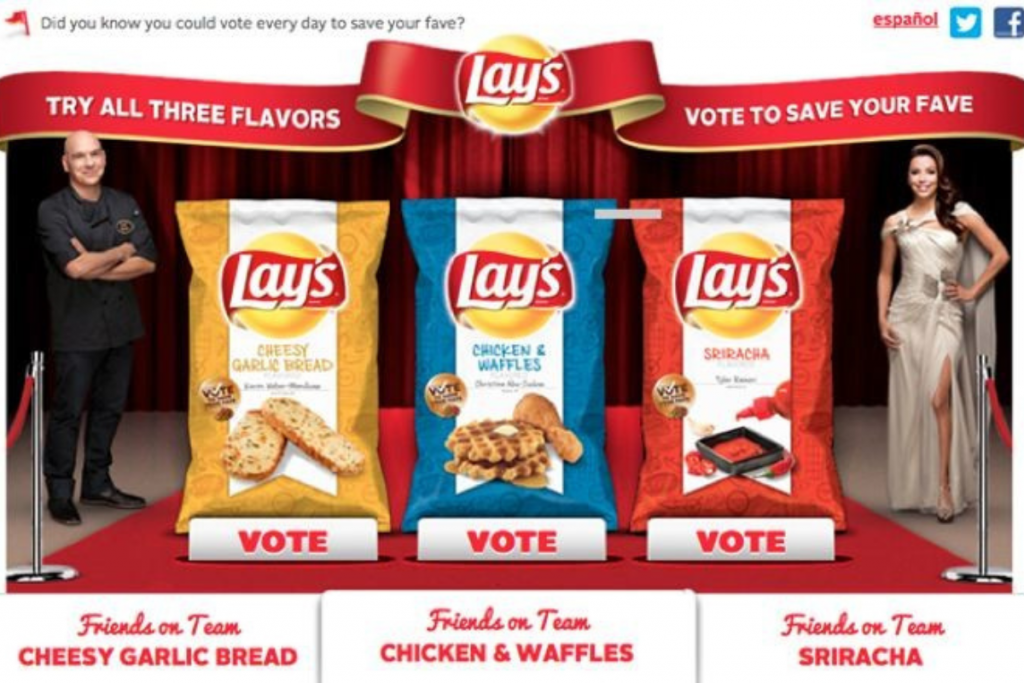
A classic example is Lay’s “Do Us a Flavor” contest, which asked fans to suggest new chip flavors. It yielded 14 million submissions and led to actual flavors like Cheesy Garlic Bread and Sriracha on shelves. Not only did this spike sales (an 8% increase in the quarter after the winning flavor launch), but it also generated massive social content – people lobbying for their flavor ideas, sharing and debating entries, etc. Lay’s essentially turned customers into its R&D and marketing team combined.
3. Gamification
What more can brands do if they want to drive engagement while also tapping into people’s playful instincts? Insert game mechanics into content! FMCG brands have found that “gamifying” campaigns – whether through actual mini-games, reward systems, or contests – makes otherwise ordinary interactions fun and shareable.
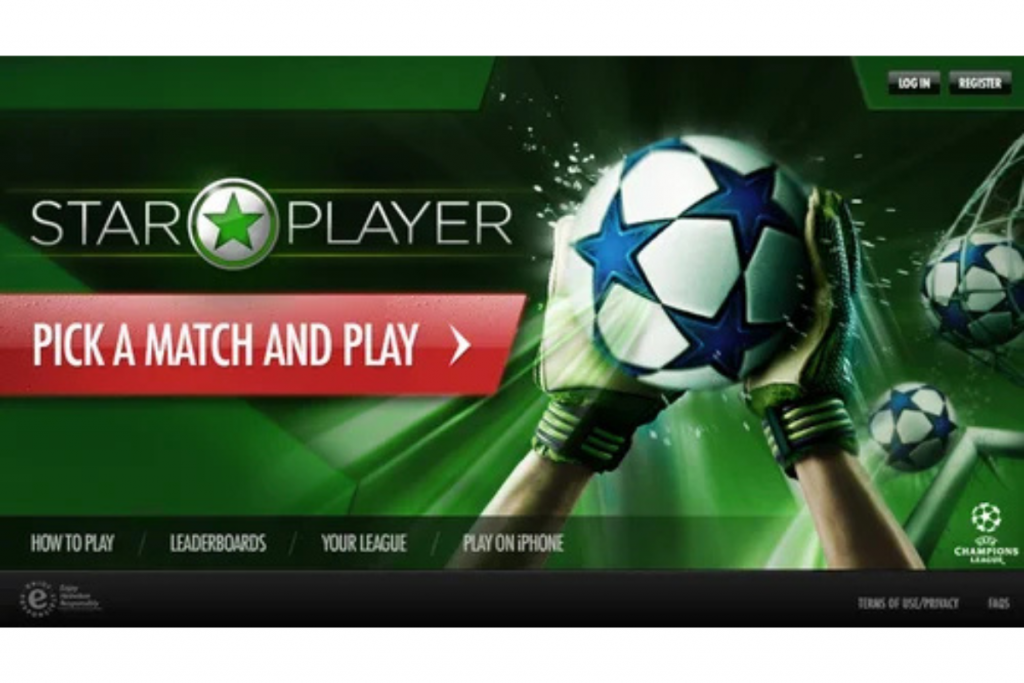
Heineken has been a pioneer in creative gamified campaigns, because a game of football and beer = heaven. One such example is: during the UEFA Champions League (which Heineken sponsors), they created a second-screen mobile game called Heineken StarPlayer. While watching a football match, fans could predict events in real-time (like “Will this penalty be a goal?”) on the app and earn points competing with others. This kept fans glued to Heineken’s app throughout the match, which scored great engagement brownie points.
Engage. Enchant. Entertain.
But simply checking boxes off the list is not enough to gain customers and keep them loyal. The key is engagement.
Quality content is what separates the scroll-past from the share-worthy. It builds authority, sparks engagement, and earns loyalty, not just clicks. The trick lies in blending education with entertainment. After all, the same generation we claim has the attention span of a goldfish also binge-watches 10-hour series in one sitting. The difference? They’re entertained.
“Are you not entertained?” roars Maximus Decimus Meridius in Gladiator after decimating his opponents to the max in the ring. A statement of sarcasm directed at bloodthirsty crowds as they cheered on the gore. The question is the same marketers must ask their equally savage audience. While making the show worth every penny of the money their customer are willing to spend.
By nature, FMCG will always beg the question – ‘who did it faster?’, but the equally important and often overlooked question – ‘who did it better?’ is the one that will ultimately foster customer loyalty.
Open the rings. Let out the lions. May the best bra
Leave a Reply